
What we do
Across Asia, Clean Air Asia works with governments, development partners, researchers, businesses, and communities to develop practical solutions that reduce air pollution and improve public health. We combine scientific research, technical expertise, policy support, and capacity building to help countries and cities strengthen air quality management, accelerate clean energy and sustainable transport, and integrate air quality and climate action. Through regional collaboration, knowledge sharing, and on-the-ground projects, we support cleaner air and healthier lives for millions of people who live across the region.
BAQ Conference 2026
Clean Air Asia, along with co-organizers, the Asian Development Bank (ADB), the Climate and Clean Air Coalition (CCAC), the Economic and Social Commission for Asia and the Pacific (ESCAP), and the UN Environment Programme (UNEP), presented the 12th Better Air Quality conference (BAQ 2026) on 11-13 March 2026.
Read more


A PIVOTAL ROLE
Clean Air Asia plays a pivotal role in building a robust knowledge base on air quality in Asia by producing comprehensive, Asia-specific assessments that inform policy and action. Through flagship publications like the “Air Quality in Asia Status and Trends Report,” the organization provides stakeholders with critical data and analysis on air pollution trends, policy developments, and progress toward international air quality standards, such as the revised WHO Air Quality Guidelines. We synthesize diverse datasets tailored to the unique environmental, political, and social contexts of Asian countries. Our “China Air Report” series exemplifies this approach by documenting China’s evolving policies and integrated efforts in air pollution control and carbon reduction. These efforts contribute to making complex data accessible and actionable, thereby supporting informed decision-making and targeted clean air solutions in Asia. Through the “Asia Regional Exchange” initiative, we facilitate sharing of solutions and good practice among governments and stakeholders on air quality management solutions.

Clean Air Action Plans
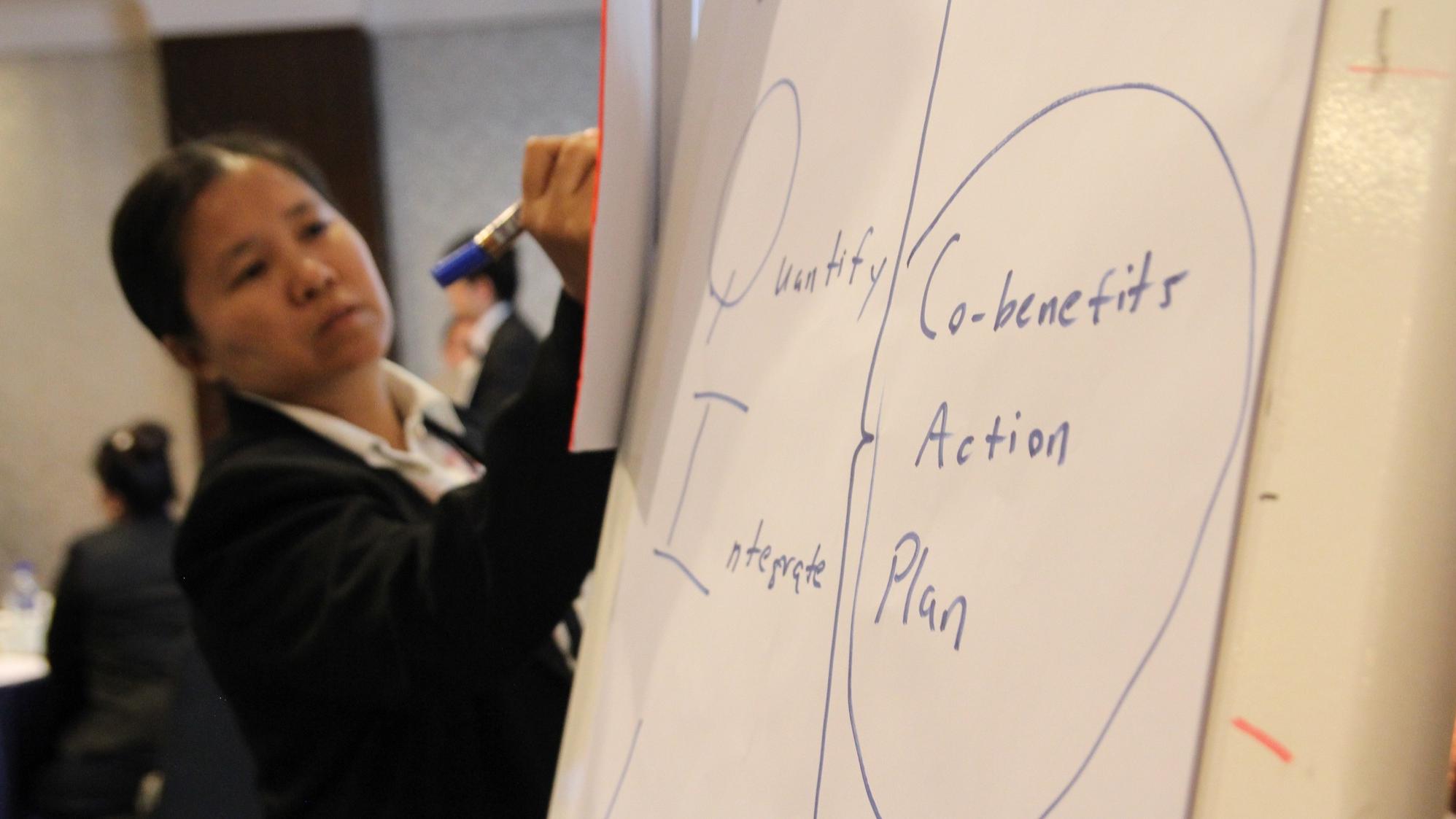
Clean Air Asia is actively strengthening national planning for clean air and climate actions by supporting the development and integration of comprehensive, science-based action plans and roadmaps in the region. These efforts align with broader climate goals, particularly the reduction of short-lived climate pollutants (SLCPs) like methane and support national commitments such as the Global Methane Pledge and the updating of Nationally Determined Contributions (NDCs) and Measurement, Review, and Validation (MRV) Frameworks.
View projects
Clean energy and climate action
Clean Air Asia is advancing clean energy and industries in Southeast Asia by supporting governments with analytics support, policy guidance, and capacity building. We helped governments draft stricter industry emission standards and supported national planning through technical studies and stakeholder engagement. We developed compliance and emissions monitoring guidelines for coal-fired power plants and strengthened regulatory capacity through training. We developed roadmaps and data integration protocol to support the just transition from coal and improve regulatory enforcement. We promote clean construction practices by providing practical guidance to construction stakeholders and local governments to support the adoption of measures that reduce construction-related air pollution.
View projects
Transport
Clean Air Asia champions sustainable transport as a cornerstone of clean air and climate action in Asia. We collaborate with governments to develop and implement transport-related standards and policies, such as for vehicle emissions, fuel quality, electric mobility, eco-driving, and green freight. We train governments on sustainable urban mobility planning, emissions monitoring, climate-sensitive transport design, and financing of green technologies. We pilot electric vehicle fleets, tactical urbanism, and active mobility solutions which prioritize gender equality, disability inclusion, and community participation to ensure equitable access to sustainable mobility solutions in cities.
View projects
